Powering Precision: Electrical Jacks in Action
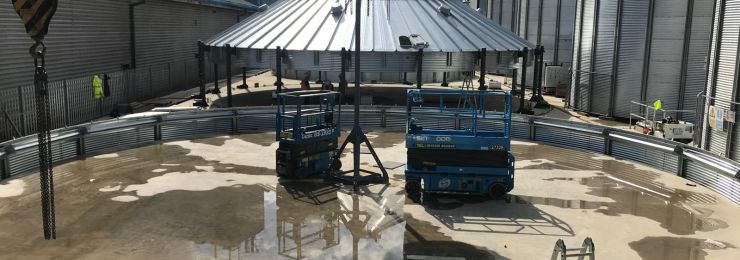
Week 2 recap of our silo project: installing, calibrating, and testing synchronized electrical jacks to begin precise mechanical lifting.
Project Progress – From Preparation to Vertical Movement
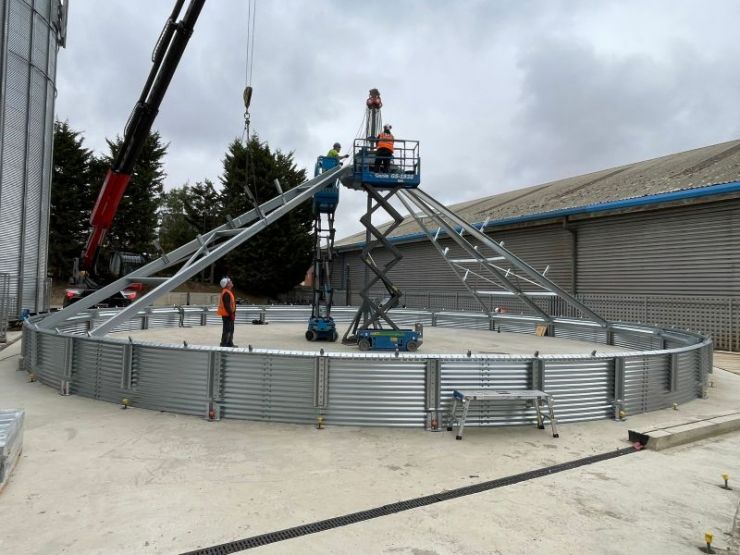
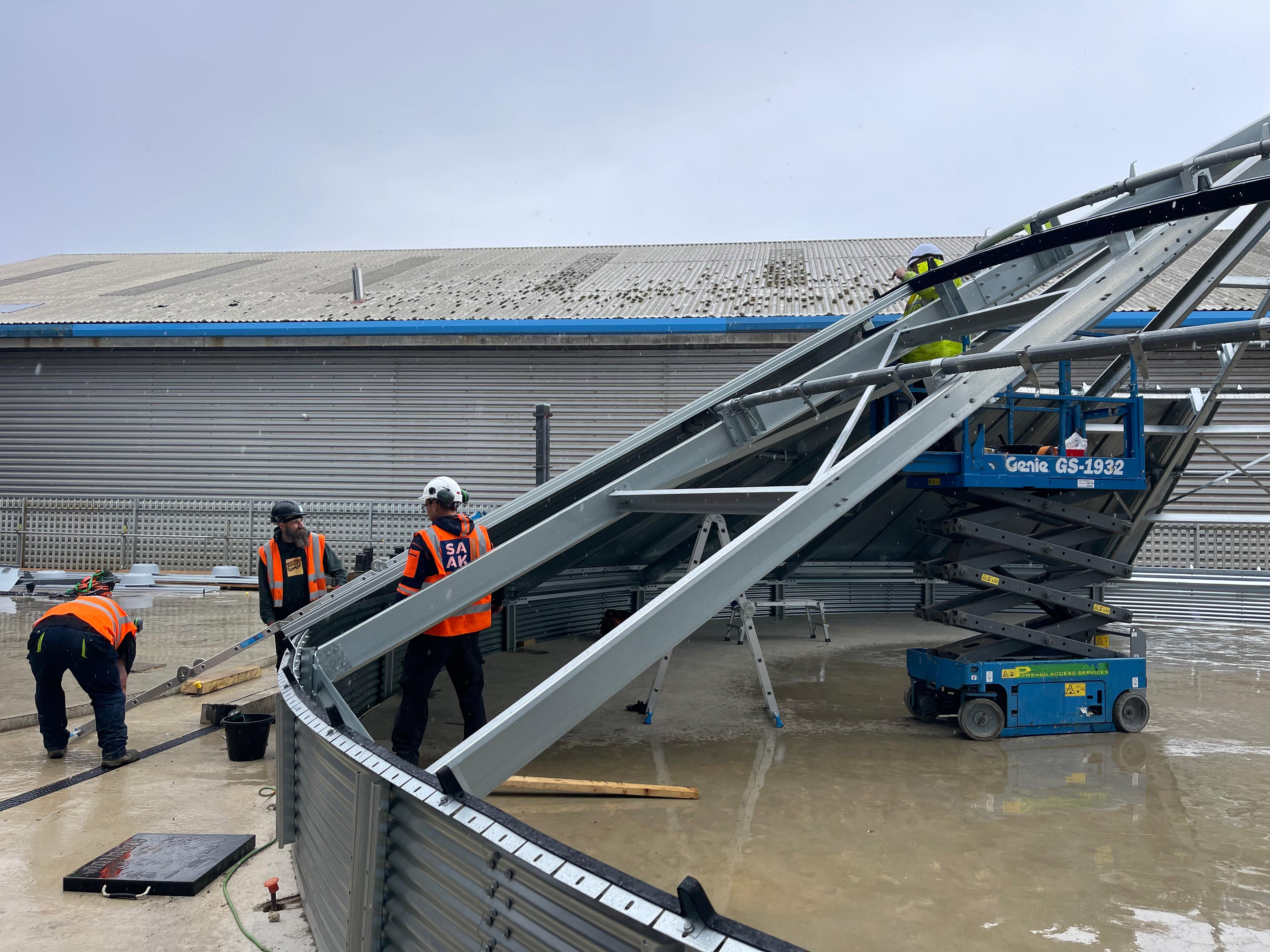
In Week 2 of the project, construction moved from ground-level assembly into the first stages of vertical growth. With the roof structure completed during Week 1, the focus shifted to the technology that would make the entire build possible: the electrical jacking system.
This system allows the silo to be raised safely, smoothly, and with millimetre accuracy.
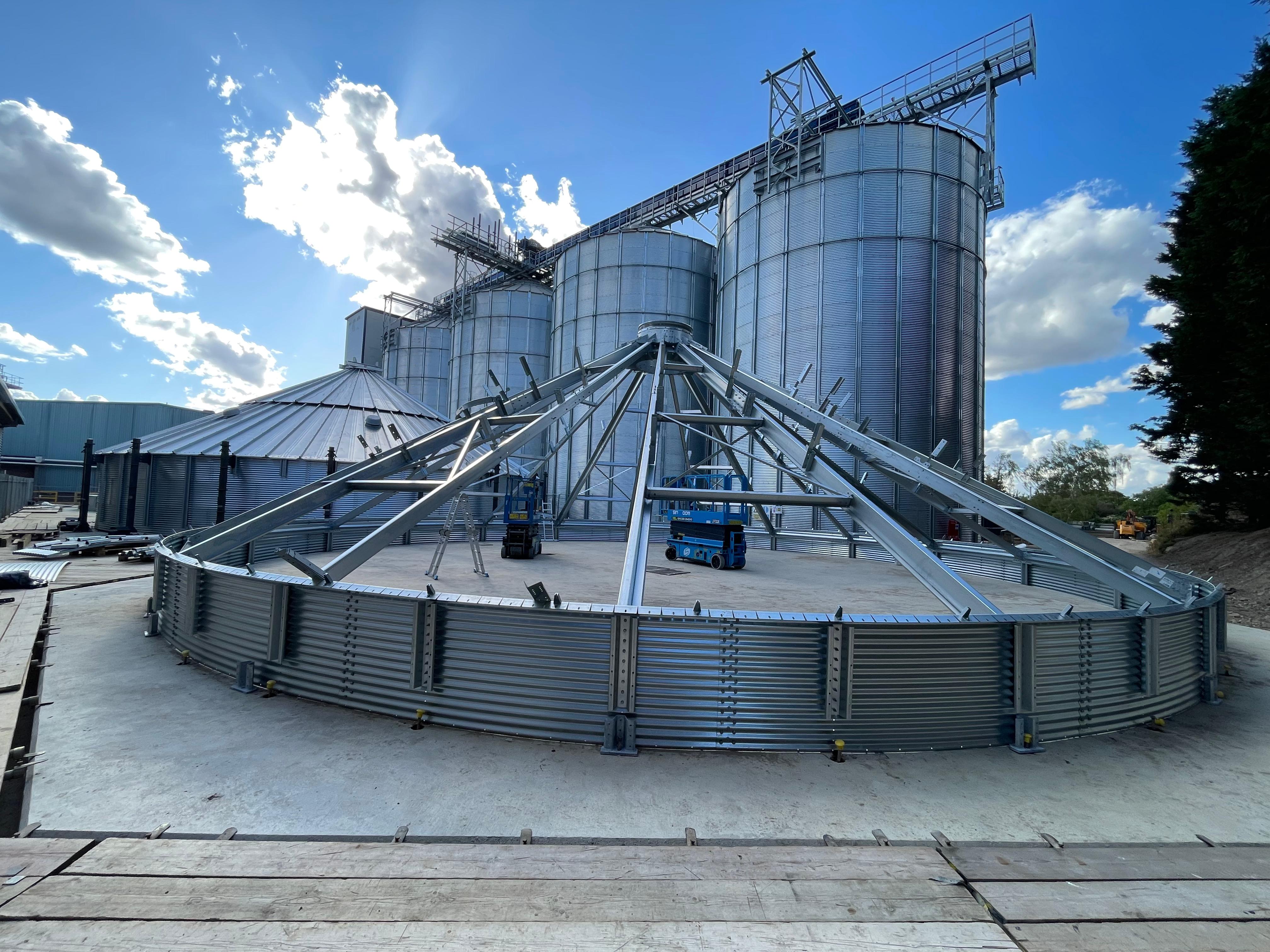
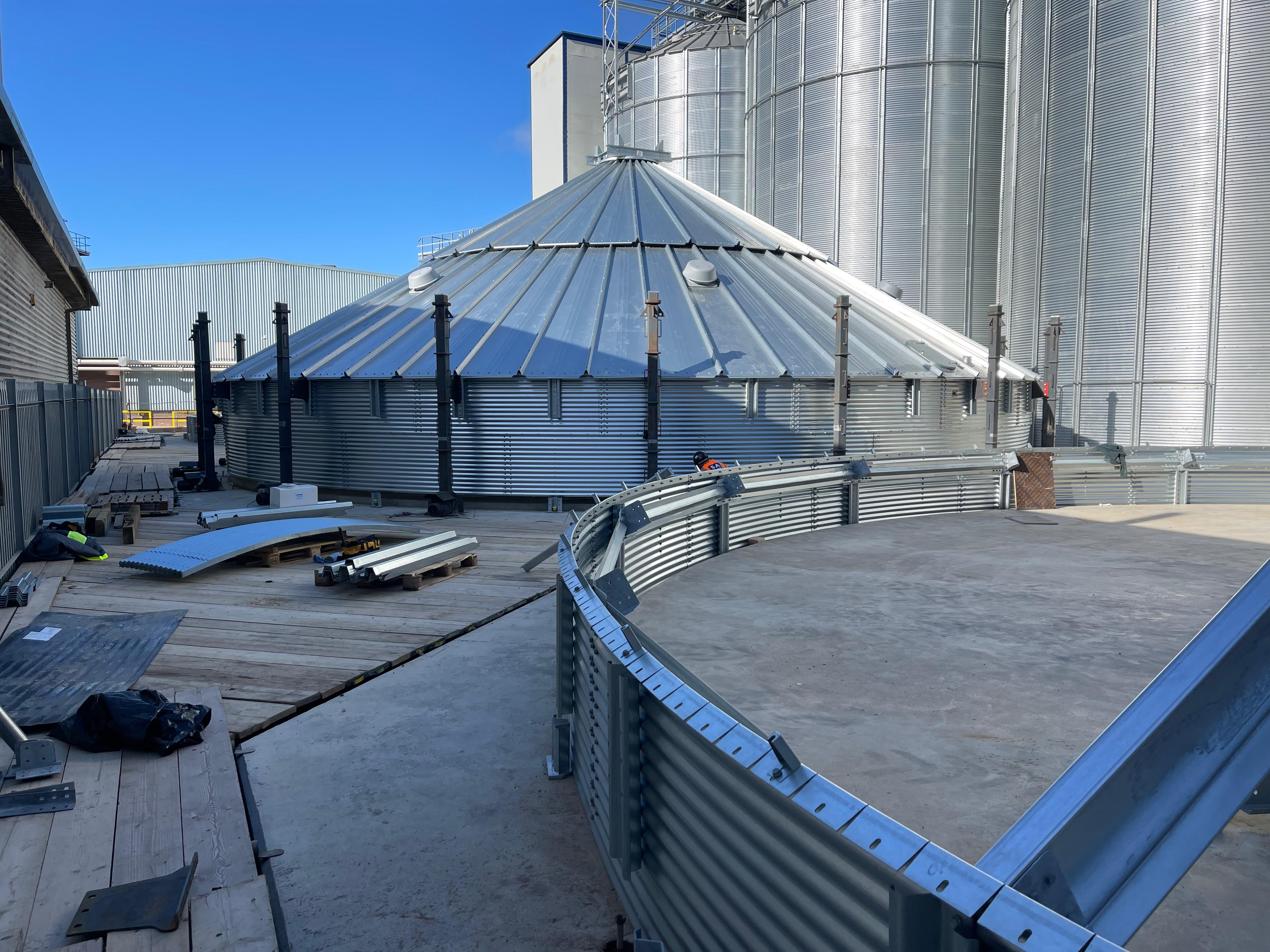
Installing the Electrical Jacks
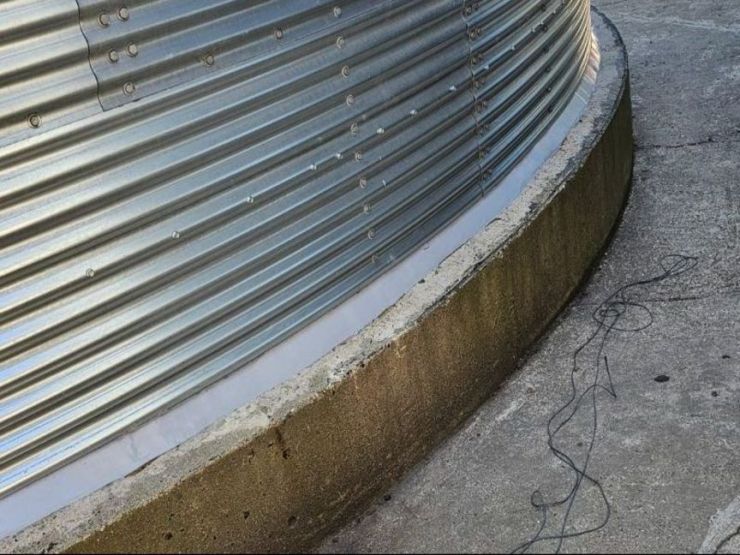
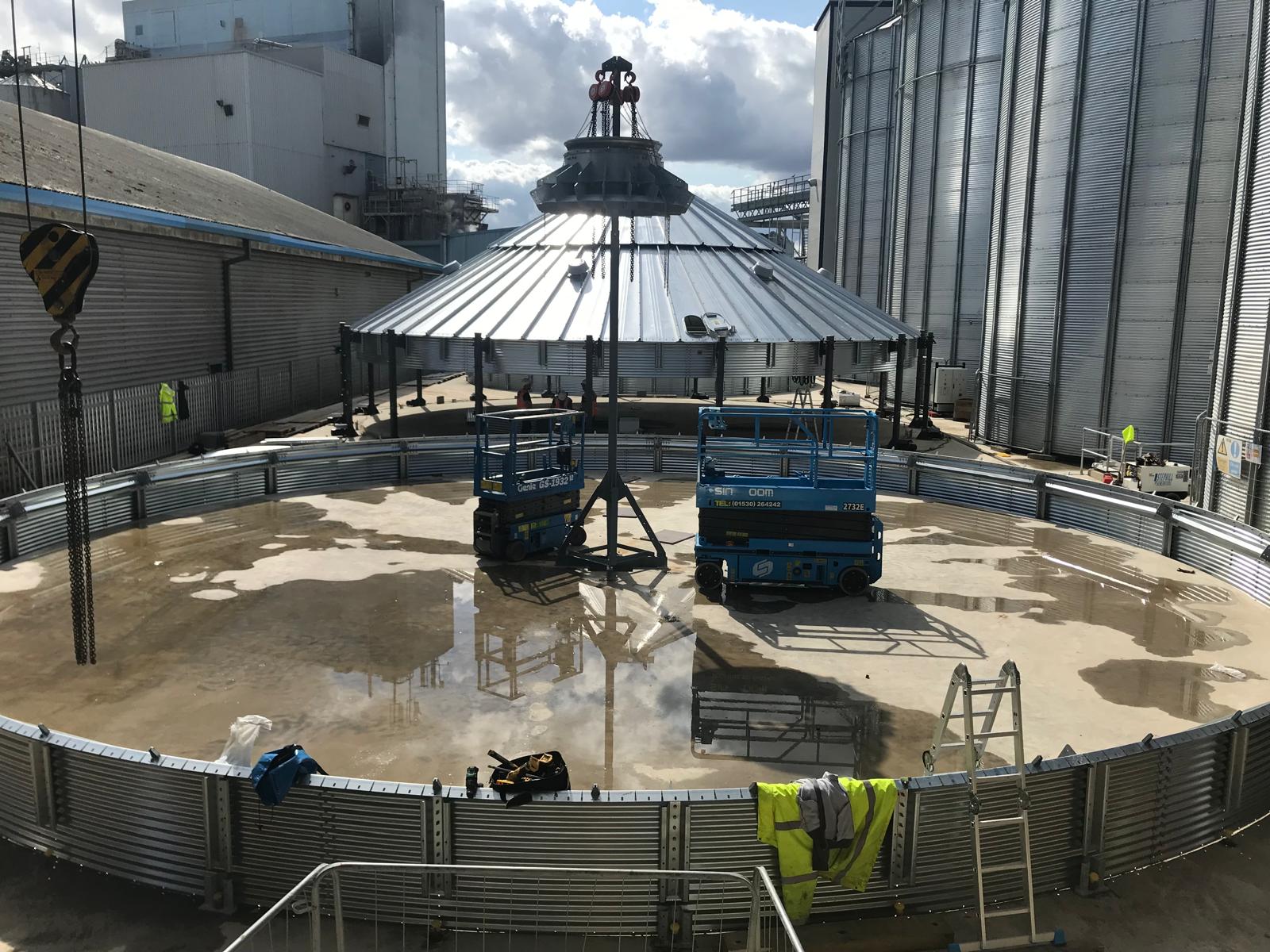
At the base of the silo, 19 electrical jacks were installed and securely fixed to the foundation and the roof structure. Each jack was positioned to ensure even load distribution and prevent any imbalance during lifting.
Once installed, the system underwent detailed checks, including:
-
Verification of fixing points
-
Electrical connections and controls
-
Load path confirmation
-
Redundancy and safety system checks
Every element was reviewed before any lifting took place.
Calibration and Load Testing
Before the first lift, the jacks were carefully calibrated to operate in perfect synchronisation. This step is critical, as even a small variation in lifting speed between jacks could introduce unwanted stress into the structure.
Trial lifts were carried out under controlled conditions to confirm:
-
Equal lifting rates across all jacks
-
Smooth, incremental movement
-
Accurate height control
-
Stable alignment of the roof and attached sheets
Only once the system performed exactly as required was the silo cleared for full lifting operations.
The First Mechanical Lift
With all checks complete, the electrical jacks were energised, and the structure began its first controlled ascent. Watching a fully assembled roof section rise smoothly from the ground highlighted the precision and control that mechanical lifting provides.
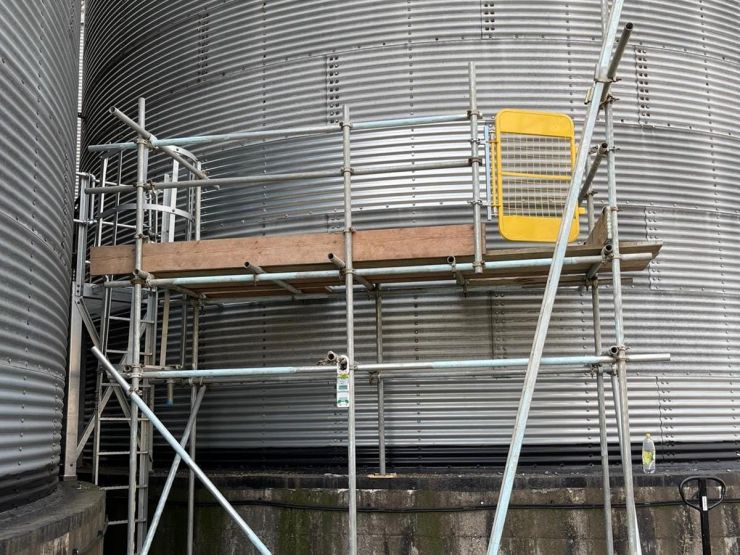
As the silo reached the required height, crews immediately began fitting the next ring of silo sheets. This lift-and-build sequence would be repeated many times as the silo continued to grow.
At the same time, roof assembly for Silo 2 was underway nearby, allowing parallel progress across the project and maximising efficiency.
Why Mechanical Lifting Matters
Mechanical lifting offers several advantages during this stage:
-
Exact alignment of each silo section
-
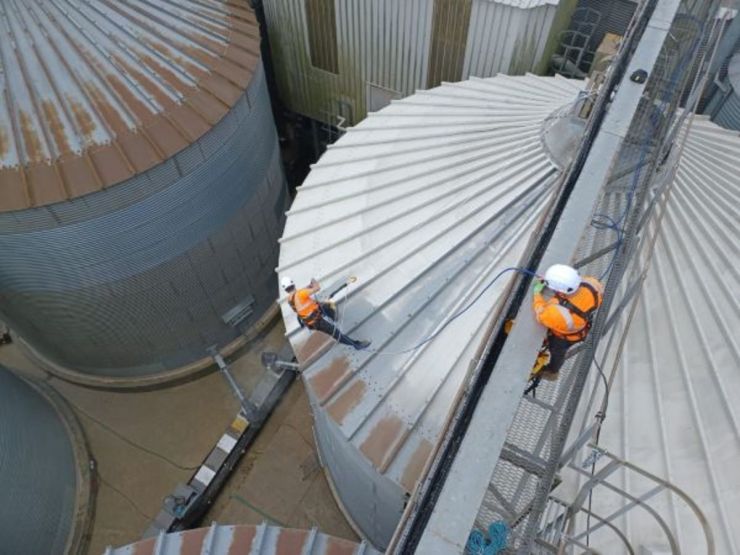
Improved safety for personnel working at height
-
Faster, more predictable construction sequencing
The accuracy achieved during these early lifts sets the standard for the remainder of the build.
Week 2 Summary
By the end of Week 2, the electrical jacking system was fully operational, and the first silo had begun its upward journey. The project had officially transitioned from preparation into full mechanical construction.
Coming Up in Week 3
Next week, the silos continue to rise as mechanical lifting progresses toward the midpoint of the structure, with synchronisation and alignment becoming even more critical.